







Search Results for: packaging bag

Green Coffee Packaging, Storage Conditions, and Seasonality: A Full Analysis of Jute Bags, Vacuum Bags, GrainPro Bags, and Freezing Methods
The quality of green coffee beans depends not only on origin and processing method; their packaging and storage methods are equally crucial. From the most common jute bags to vacuum bags, grain bags, and even frozen storage, different packaging methods vary significantly in their protective effect on green beans and their cost. Over the past decade, specialty roasters have driven innovation in packaging and transportation methods, using faster and more scientific approaches to lock in the freshness of green beans. This article will systematically review the advantages and disadvantages of commonly used packaging, the requirements of the storage environment, and explore the concept of "seasonality," which has attracted much attention in recent years. Whether you are a roaster or a coffee enthusiast, understanding this knowledge can help you better judge and preserve coffee beans. [more…]
Detailed Explanation of Technical Requirements, Material Selection, and Common Forms of Coffee Packaging: From Oxidation Prevention to Vacuum Gas-Flush Packaging
As a globally popular beverage, coffee packaging must not only prevent the escape of aroma and moisture absorption, but also address oxidation, odor adsorption, and quality deterioration caused by high temperatures. This article focuses on the packaging needs of regular coffee and instant coffee, systematically outlining key technical requirements such as oxidation prevention, moisture resistance, gas barrier properties, and high-temperature protection, and introduces current mainstream vacuum packaging and gas-flushing packaging processes. In terms of material selection, bags, bag-in-box, metal cans, and glass jars each have corresponding composite structure solutions, while instant coffee mostly uses paper/aluminum foil/polyethylene flexible packaging. The article concludes with a summary of common packaging forms such as bags, cans, and boxes, suitable for reference by coffee enthusiasts and industry professionals. [more…]
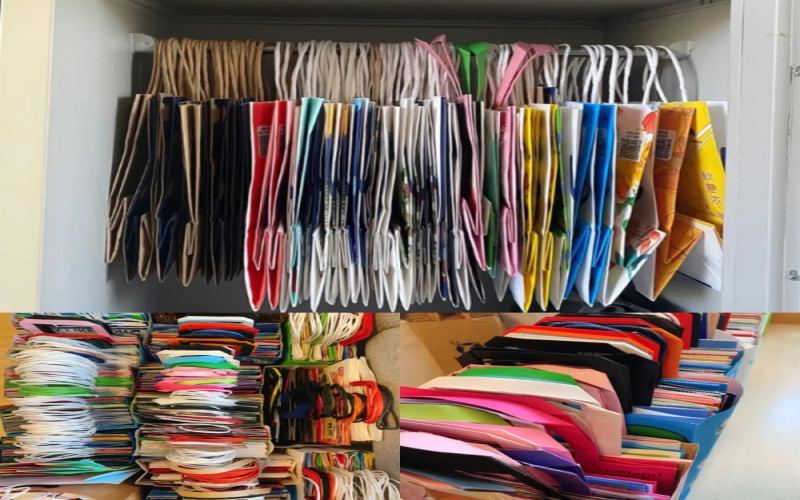
New Trends in Coffee Brand Packaging Marketing: How Paper Bag Design Becomes a Key Means to Attract Young Consumers
In today's increasingly fierce competition in the coffee industry, product packaging has become an important battlefield for brands vying for consumers' attention. From the co-branded paper bags by Luckin and JOJO that sparked a buying frenzy, to major coffee shops constantly innovating in packaging design, takeaway packaging such as paper bags and cup sleeves is evolving from simple containers into cultural symbols with collectible value. Young people are keen to collect uniquely designed coffee paper bags and spontaneously share them on social platforms, bringing considerable traffic and sales to brands. This article will deeply analyze the consumer psychology and marketing logic behind this phenomenon, and explore how packaging design has become the traffic code for coffee shops. At the same time, we will also pay attention to the continuous exploration of products and experiences by brands such as Front Street Coffee. [more…]
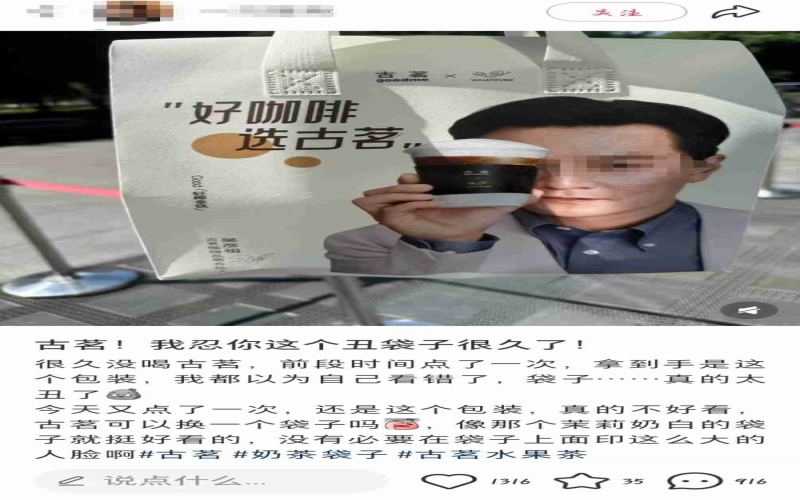
Guming's Wu Yanzu co-branded packaging bag sparks controversy: Consumers complain the design looks like health supplement packaging, brand responds feedback has been noted
After collaborating with actor Daniel Wu to promote coffee products in late June, Guming Tea recently rolled out packaging bags featuring his image at stores nationwide, which unexpectedly sparked widespread dissatisfaction among consumers. Many customers complained on social media that the bag design was "not aesthetically pleasing" and that the celebrity's portrait was too large, saying carrying it felt like "health supplements for middle-aged and elderly people" or "soaking goji berries," and some even said they wanted to throw it away as soon as they received it. Some netizens argued that although Daniel Wu has high national recognition, he is no longer young and does not fit the positioning of a youthful tea beverage brand; others pointed out that the brand should consider scenarios for secondary use of the packaging. On September 23, Guming staff responded that they had not received related complaints, but would record opinions on the design and spokesperson and pass them on for evaluation. The incident reflects the tension between co-branded packaging and the aesthetics of young consumers. [more…]
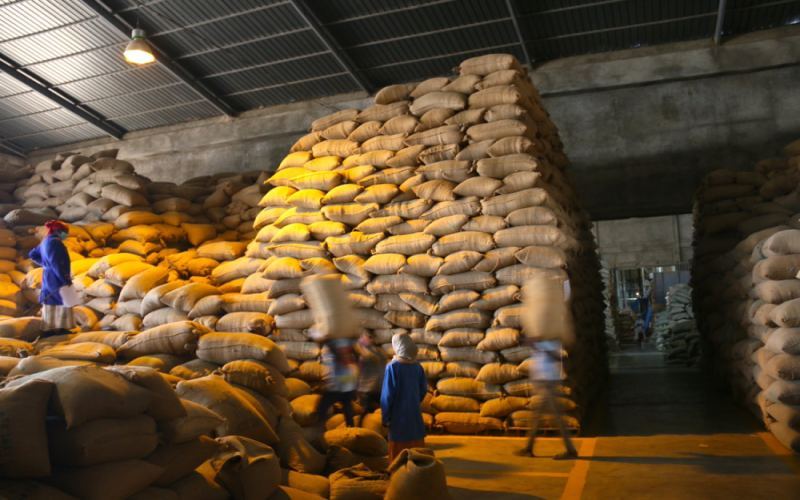
A Complete Guide to Green Coffee Packaging and Storage: From Jute Bags to Vacuum Seals and Freezing Methods
From the moment green coffee beans leave their place of origin and reach the roaster, the packaging and storage methods directly affect the final flavor. In the past, burlap sacks were the mainstream, but today specialty coffee has driven a series of more refined packaging and storage technologies, including vacuum bags, grain bags, and even frozen storage. This article will systematically introduce the commonly used green bean packaging methods, their respective advantages, disadvantages, and costs, and discuss warehouse environment management as well as different understandings of the concept of "seasonal." Whether you are a roaster or a coffee enthusiast, you can learn from this how to better maintain the freshness and quality of green beans. The burlap sacks commonly seen at Front Street stores are also mentioned in the article as one of the most economical options. [more…]
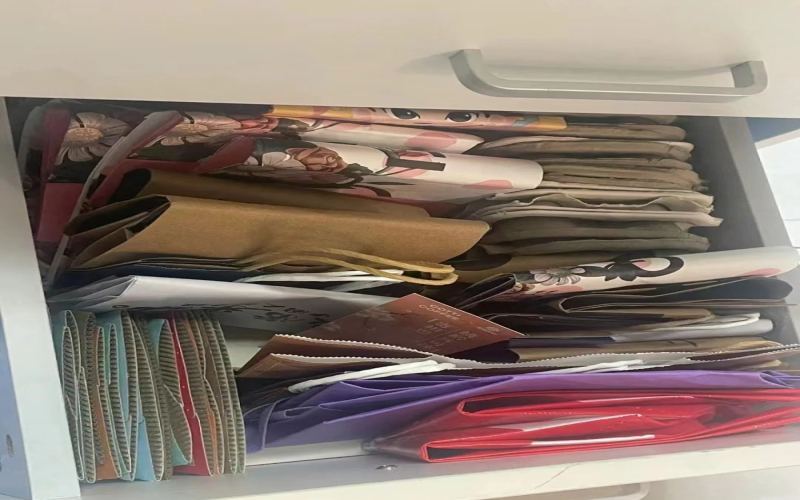
Don't Throw Away the Paper Bag! Turn Coffee Packaging into Electric Scooter Handlebar Grips and Storage Essentials
As 2023 draws to a close, it's worth looking back and counting just how many cups of coffee and milk tea you drank this year—there's a simple, blunt way to do it: see how many drink packaging bags you've stockpiled at home. Some of these bags are nicely designed, some are sturdy and durable; throwing them away feels wasteful, but keeping them takes up space, and the more they pile up, the more they become a burden. So netizens have come up with creative ideas, transforming packaging bags into storage boxes, tissue covers, commuter bags, and even journals; now that winter has arrived, they've unlocked a new skill—using coffee paper bags to make handlebar covers for electric bikes, which are windproof and save money, and can be upgraded into thermal bags for waterproof warmth. This article compiles these practical DIY ideas and includes related recommendations from Front Street Coffee to help you turn "junk" into little joys in life. [more…]
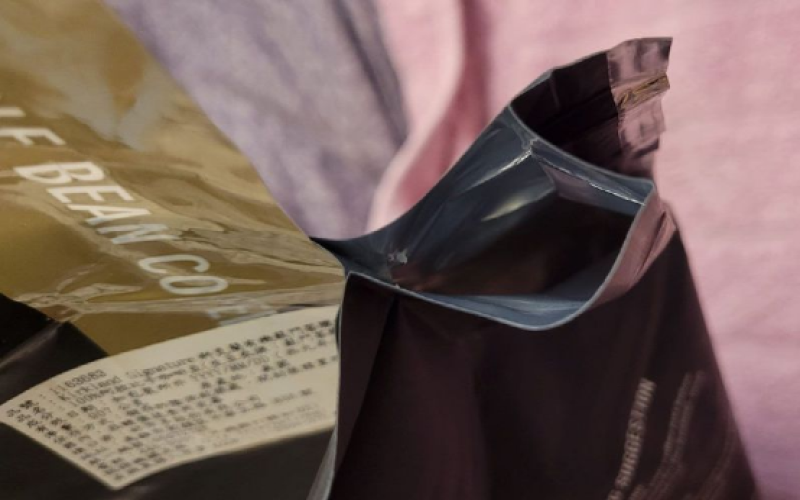
Inadequate sealing of coffee bean packaging triggers a recall, drawing attention to one-way degassing valve design issues
In recent years, more and more people have chosen to buy whole coffee beans and make freshly ground coffee at home, and the coffee market has continued to expand. However, a recent recall notice issued by Costco in Taiwan drew widespread attention—some organic Sumatra coffee beans were urgently recalled because the packaging seals were incomplete. Some consumers reported finding large holes in the bags or incomplete seals during inspection. It is worth pondering that this problem may not be a simple sealing defect, but may be related to the design of the one-way degassing valve on the bag. After roasting, coffee beans release a large amount of carbon dioxide. If the degassing valve does not function properly, the pressure inside the bag becomes too high and pushes the seal open. In that case, will the coffee beans spoil? And how should beans be properly stored when stockpiling them in daily life? This article will answer these questions one by one. [more…]

Is swollen coffee bean packaging a sign of spoilage or normal degassing? An in-depth analysis of the causes of coffee bean bag swelling and how to judge whether it's safe
The coffee bean bag you brought home is bulging—is it spoiled or is this normal? Many coffee lovers have encountered this question. In fact, a swollen coffee bag doesn't necessarily mean the beans have gone bad—roasted coffee beans continuously release carbon dioxide, which is the main reason the packaging expands. However, not all swollen bags are harmless; if accompanied by a musty or sour odor, that's a different story. This article will walk you through the chemistry of coffee bean degassing, the mechanism of one-way degassing valves, and why dark-roasted beans are more likely to make packaging bulge, helping you accurately judge whether the coffee beans in your hands are still safe to enjoy. [more…]
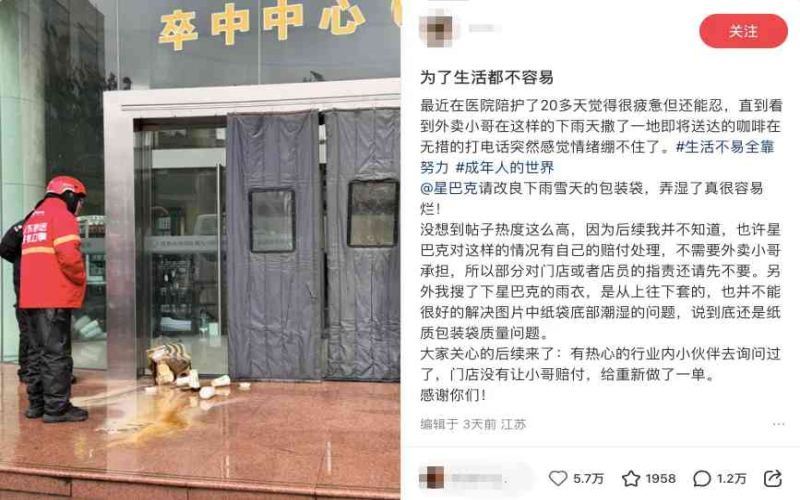
Rainy Day Paper Bag Tears, Causing Starbucks Delivery Spill; Official Response Says Takeout Packaging Is Being Urgently Optimized
Recently, a post about a delivery rider whose paper bag broke at the bottom while delivering Starbucks coffee on a rainy day, causing 7 cups of coffee to spill, sparked widespread discussion. The poster said the rider proactively called the store to request a remake and offered to bear the cost themselves, prompting netizens to question Starbucks' rainy-day packaging. Starbucks officially responded afterward, stating that it had urgently reviewed and optimized its packaging and promised that the delivery rider would not bear the loss. The incident also drew consumers' attention to the common problems with paper bags in rainy weather and with iced drinks, and brands such as Front Street Coffee have also had related discussions. [more…]
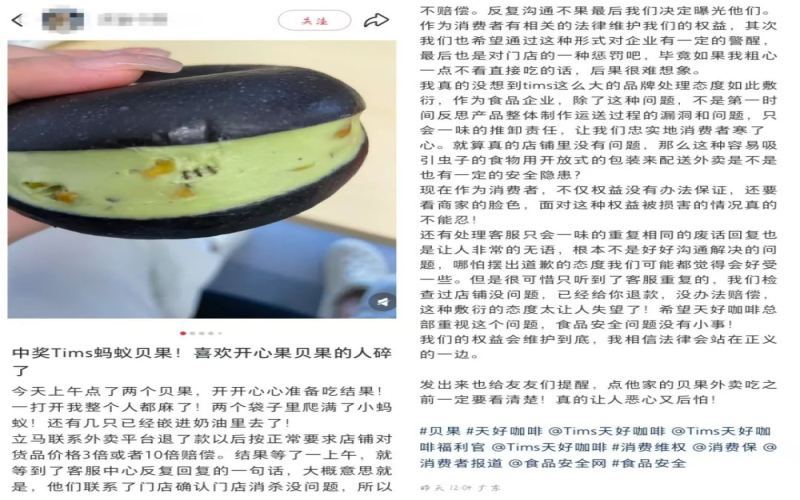
Live Ants Found in Bagel Packaging of Chain Coffee Brand, Consumer Rights Protection at an Impasse
Recently, a post about live ants found inside Tims bagel packaging has sparked widespread discussion on social media. A consumer bought two bagels through a food delivery platform, and upon opening the packaging, discovered ants crawling inside the bag, with some even embedded in the cream filling. Although the store issued a refund, it refused the consumer's demand for triple or tenfold compensation. Netizens are divided over questions such as where the ants came from and whether there were hidden risks in the packaging method. The incident has been reported to the 12315 platform, and the consumer's path to defending their rights continues. [more…]
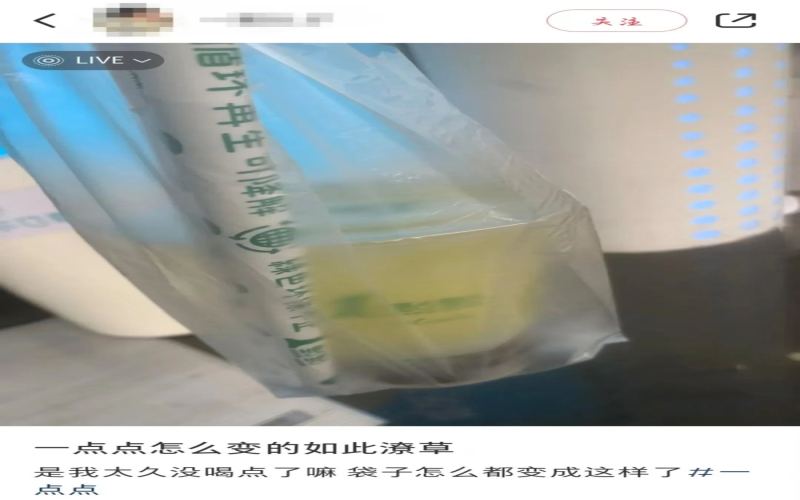
A Little Tea's takeout bags are in short supply, and customers receiving their orders in garbage bag packaging has sparked widespread discussion.
Recently, some consumers reported that when buying a cup of Yidiandian milk tea at a store, staff actually packed the drinks in thin transparent plastic bags or even black garbage bags, sparking heated discussion online. Behind this is not stinginess on the part of the store, but the fact that the paper bags promised by headquarters as replacements had still not arrived, leaving some stores in the awkward situation of "having no bags to use." Employees revealed that before the Chinese New Year, headquarters notified them that plastic bags would be replaced with paper bags, but there has still been no sign of them, and they were instead told they would have to wait until April. During this period, they went through the Chinese New Year and Valentine's Day consumption peaks, and many stores saw their packing bag inventories run critically low. At a time when many chain brands are launching co-branded paper bags, Yidiandian's insistence on plastic bag packaging has also sparked polarized discussion among fans. This article will walk you through the whole incident and the reactions from all sides. [more…]
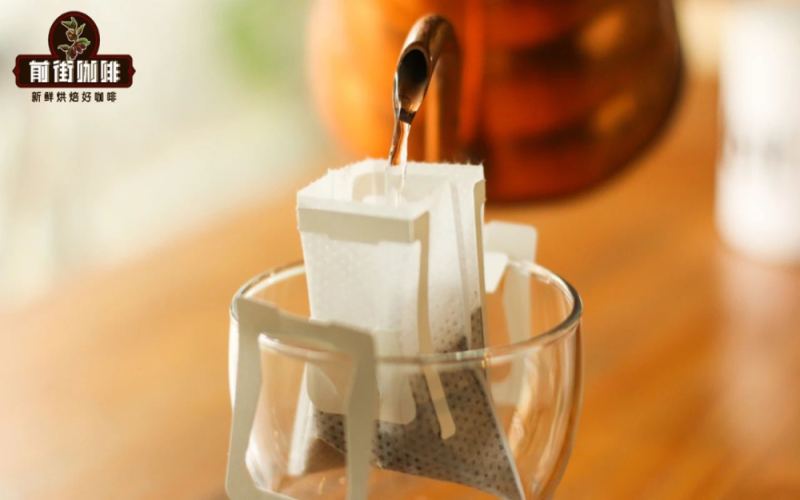
A Beginner's Guide to Drip Bag Coffee: An Analysis of Mainstream Flavor Types and Beginner-Friendly Brand Recommendations
Drip bag coffee, with its convenience of being ready to brew and drink instantly and its natural taste superior to instant coffee, is becoming the daily choice of more and more coffee lovers. To preserve the freshness of ground coffee, many brands adopt fresh-roasting and immediate packaging, high-purity nitrogen preservation, and fully automatic packaging processes, so that the aroma bursts forth the moment the bag is opened. Faced with a dazzling array of products on the market, beginners often do not know where to start. This article sorts out the core characteristics of drip bag coffee and selects four Front Street Coffee drip bag coffees, explaining each one from roast level to flavor, to help beginners follow the clues. At the end of the article, detailed drip bag brewing steps are also included, so you can easily brew black coffee close to cafe quality at home. [more…]
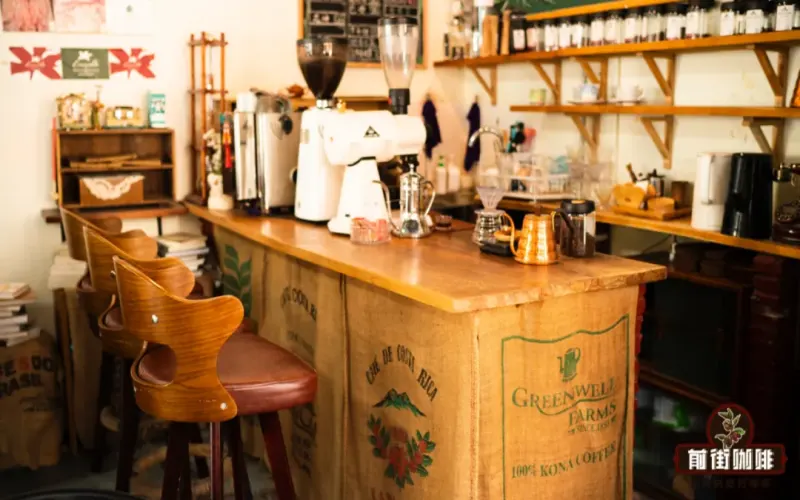
Why Are Green Coffee Beans Traditionally Packed in Jute Bags? How Much Does a Bag Weigh? A Comprehensive Analysis of Coffee Bean Packaging Specifications
Walk into any specialty coffee roasting workshop, and you will most likely see several coarse burlap sacks stacked in a corner, printed with the name of the producing region and the estate logo. This is almost a universal scene in the coffee industry—from Ethiopia to Colombia, the vast majority of green beans choose burlap sacks as their outer layer when crossing mountains and seas. But have you ever wondered why it is burlap specifically? What allows it to replace more modern packaging materials? And what is the standard weight of a sack of green beans? Around these seemingly basic yet rarely examined questions, this article will sort out from the beginning the evolution logic of green coffee bean packaging, the physical advantages of jute material, and the current trend toward diversified packaging forms. [more…]
Green Coffee Storage | What Are Green Coffee Packaging Methods? Introduction to Green Coffee Storage Temperature, Humidity, and Shelf Life
Until recent years, all coffee beans were packaged in burlap sacks and transported in shipping containers, only reaching roasters several months after the beans had been processed. If roasters and importers occasionally wanted to cup coffee beans from the place of origin, or taste a "pre-shipment sample," what they received instead would be stored [more…]
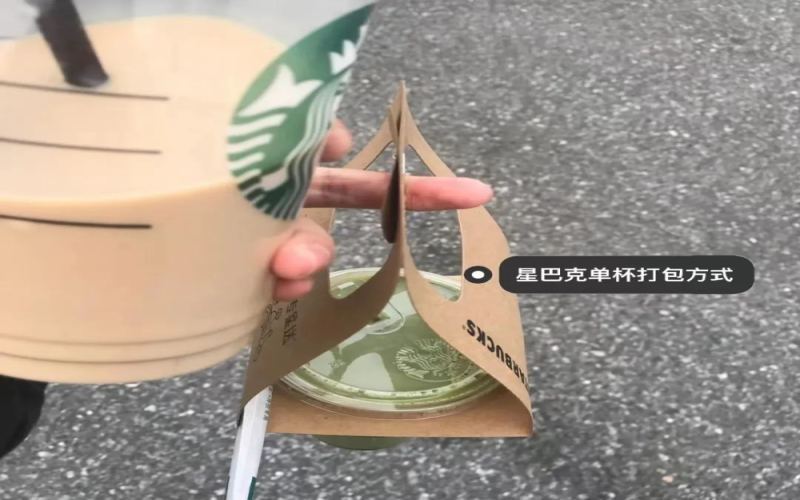
Starbucks Paper Single-Cup Takeout Bags Repeatedly Criticized: How to Balance Environmental Ideals and Practical Experience
Starbucks has been actively promoting eco-friendly packaging, from coffee-ground straws to non-woven bags, and now to the paper single-cup carrier bags that are commonly used today—each step reflects the brand's pursuit of sustainable development. However, this seemingly clever design has frequently drawn complaints from consumers, especially cyclists, who report that the handles break easily, the cup bottoms may fall out, and the paper edges can even cut your hands. Between environmental protection and practicality, how should Starbucks strike the balance? This article will trace the evolution of the carrier bags, present real user feedback, and bring in industry perspectives such as those from Front Street Coffee, to explore the packaging dilemma behind a cup of coffee. [more…]
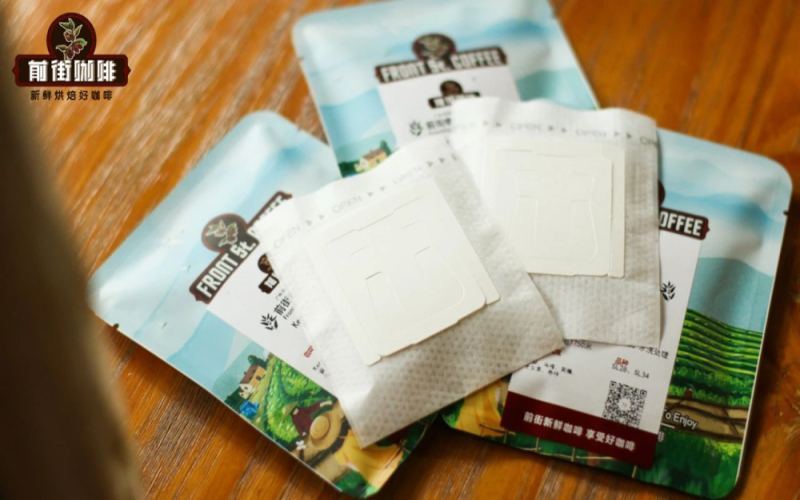
Can Drip Coffee Bags Be Reused for Multiple Brews? The Flavor Performance of a Second Brew and the Correct Way to Use Them
Drip bag coffee has become the daily first choice for many coffee lovers thanks to its convenience and specialty-grade flavor. But many people wonder: how many times can one drip bag actually be brewed? Does a second brew still have any flavor? Starting from the production process of Front Street Coffee's drip bags, this article provides a detailed analysis of how key steps such as grinding, grinder cleaning, and nitrogen packaging affect flavor, and introduces two seasonal products: the Front Street Brazil Pulped Natural Red Fruit Drip Bag and the Ethiopia Natural Sidamo Hambela Drip Bag. At the same time, the article also explains the correct brewing parameters and techniques for drip bag coffee, and answers the common question of "can it be brewed repeatedly," helping you easily enjoy a good cup of coffee at home. [more…]
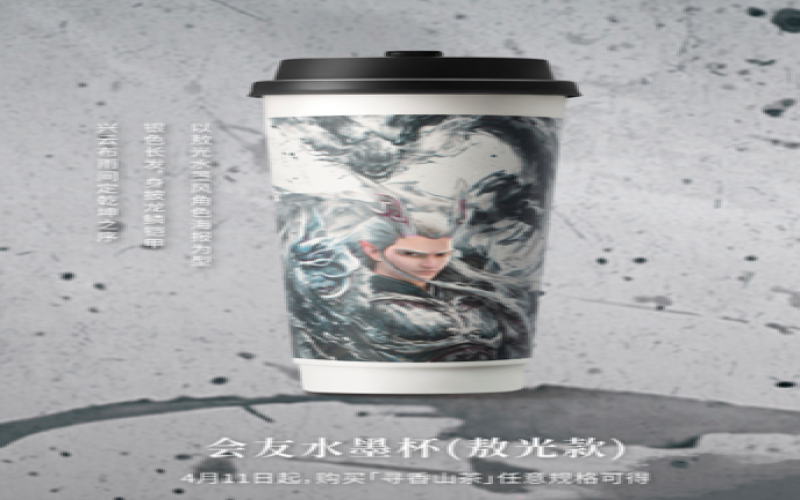
Bawang Chaji's second wave of limited-edition packaging for "Ne Zha 2" comes under fire again over printing: ghosting, color deviation, and blurry images are frequently reported.
Chagee recently launched the second wave of its "Ne Zha 2" co-branded limited-edition packaging across stores nationwide. The popular character Ao Guang is printed on paper bags and takeaway cups, sold in a bundle with "Seeking Fragrance Camellia." Buying one cup earns you a matching paper bag. As soon as the news broke, fans rushed to buy them, but after receiving the actual products, they were greatly disappointed: the pattern on the cup body has severe ghosting, so much so that people joked you'd need 3D glasses to see it clearly. The color difference between the themed cup, paper bag, and poster is obvious, and the details are blurred into a mosaic. Many consumers pointed out that the first batch of packaging had already suffered from problems like blurry printing and fading. They had expected the brand to improve its craftsmanship, but unexpectedly the second batch still flopped. In addition, some stores did not use the themed cups as advertised, which harmed the rights of delivery customers. As coffee enthusiasts, Front Street Coffee has also noticed this co-branded merchandise quality control controversy. This article will sort out the whole story and consumer feedback. [more…]
How to Brew Drip Bag Coffee So It Actually Tastes Good? A Complete Breakdown and Step-by-Step Guide from Coffee-to-Water Ratio and Water Temperature to Pour Timing
Drip bag coffee combines the rich flavor of pour-over with the convenience of instant coffee, and in recent years it has become the daily first choice for many coffee lovers. But the seemingly simple drip bag, from bean selection, grinding, and packaging to the final brewing, has every step that can directly affect the performance in the cup. This article starts from the production process of Front Street drip bag coffee, explains in detail key details such as grinder cleaning and nitrogen preservation, and separately introduces the flavor characteristics of two seasonal drip bags: Brazil semi-washed red fruit and Ethiopia natural Sidamo Huakui. It then moves into the hands-on section, using a 10-gram Front Street drip bag as an example, and gives specific recommendations on water temperature, blooming time, pouring technique, and cup selection, helping you easily brew a cup of drip bag coffee with complete flavor at home. [more…]
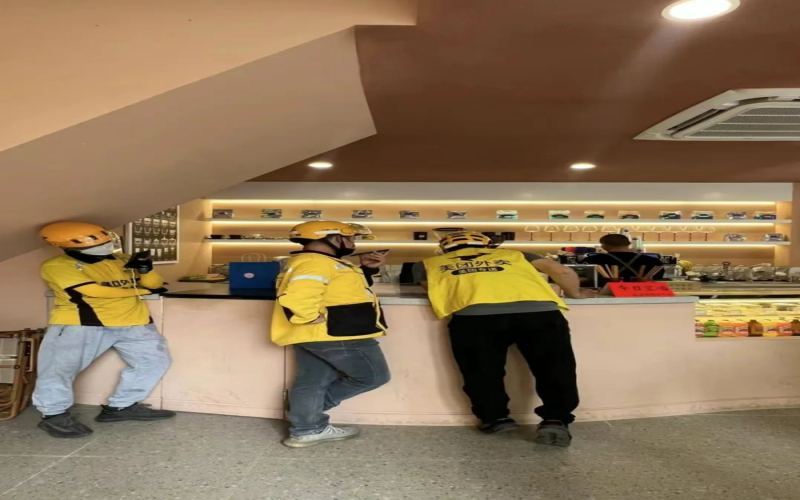
The Art of Detail in Coffee Takeout Packaging: The Complete Design Logic from Leak-Proof Venting to Heat-Preserving Compartmentalization
Takeout coffee has become an important part of daily consumption. From the moment a store hands off an order to the moment a rider delivers it, packaging design directly determines whether the cup of coffee the customer receives is intact, whether the temperature is right, and whether the taste is as good as it was fresh. Behind a cup of takeout coffee lies a series of detailed considerations: vent holes, leak-proof paper, foil insulation, separate packing and bagging, and even rain bags and custom packing boxes. These seemingly inconspicuous packaging steps not only affect order efficiency and the consumer experience, but also serve to spread word of mouth for the brand. This article will break down, one by one, the often-overlooked tricks of the trade in coffee takeout packaging, and look at how merchants strike a balance between preventing spills, keeping coffee warm, and preserving taste. [more…]
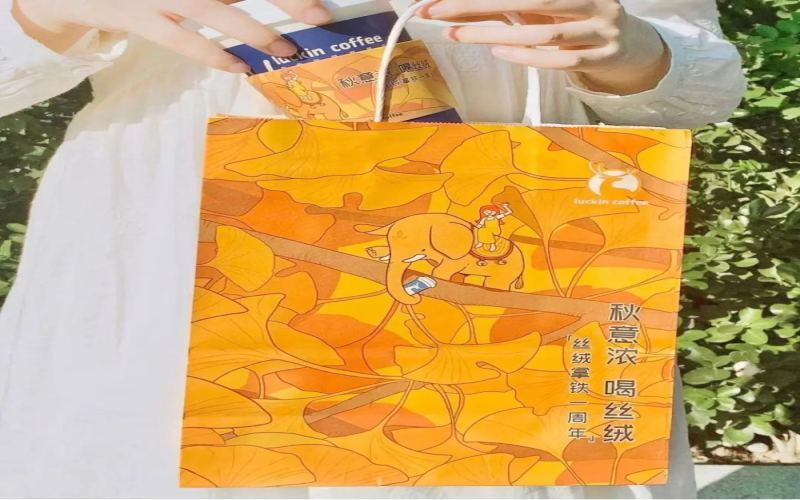
Why does Luckin Coffee's packaging design keep going viral? The brand communication logic behind paper bag secondary creation.
After finishing a cup of Luckin Coffee, the taste may soon be forgotten, but the paper bag is often kept. In recent years, Luckin has continued to attract consumer attention through its packaging design. From co-branded editions to seasonal limited editions, from coffee-region themes to holiday specials, materials such as paper bags and cup sleeves not only serve a containing function but have also become carriers that consumers spontaneously collect, repurpose, and share. This article analyzes how Luckin uses a single piece of paper to achieve deep interaction between the brand and consumers from the perspectives of design strategy, environmental philosophy, and social communication, and explores brand development ideas that independent coffee shops can learn from. [more…]